Why the fix depends on who actually built your Kenmore refrigerator
Kenmore is a retail brand, historically owned by Sears, not a manufacturer. Its appliances have been built under contract by other companies for decades rather than in Kenmore's own factories (Hunker, "Here's Who Really Makes Kenmore Appliances"). Whirlpool was Kenmore's longest and largest manufacturing partner, especially for water-using appliances like washers and refrigerators, until that roughly century-long arrangement ended in 2017. Frigidaire, Electrolux, LG, and GE have all built Kenmore-branded appliances at various points as well, and the full list of contract manufacturers over Kenmore's history runs well into the dozens.
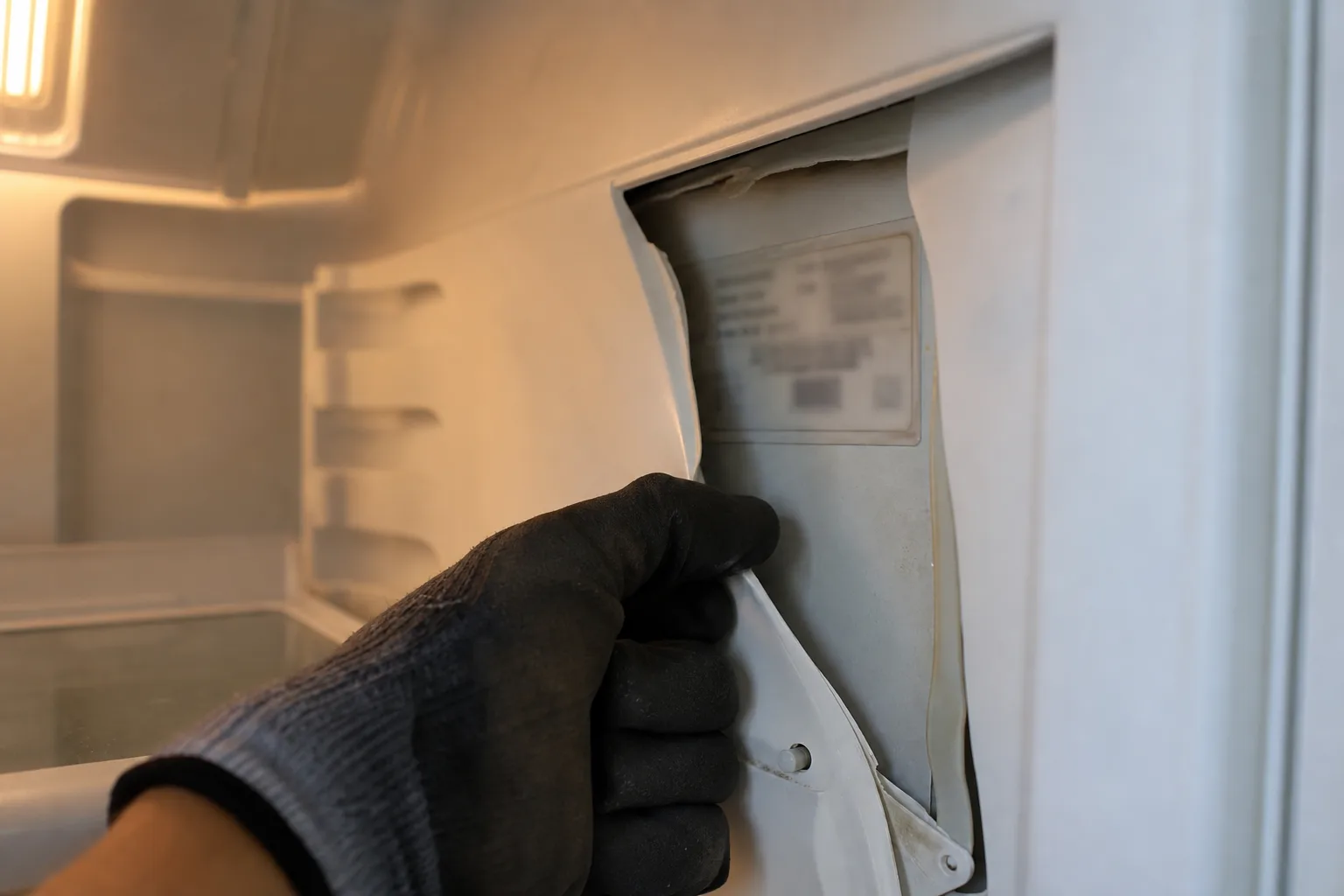
The model and serial number tag inside the unit is the most reliable way to narrow this down. Appliance-parts retailers that track Kenmore's model numbering describe a prefix system where the first three digits of the model number commonly correspond to a specific manufacturer: 110 and 106 have been associated with Whirlpool-built units, 795 and 796 with LG-built units, and 253 with Frigidaire or Electrolux-built units (Parts Dr, "Who Made My Sears Kenmore Appliance? Model Number Prefix Guide"). Treat this as a useful starting point rather than an exhaustive or guaranteed match. Kenmore has used far more manufacturers than these three across its full product history, and a prefix guide compiled by a parts retailer can lag behind the newest model numbers. Checking your specific tag against a current identification resource, or contacting Kenmore/Sears PartsDirect support directly, confirms it for your exact unit.
Work through it in order
Check settings, and identify your manufacturer if you can
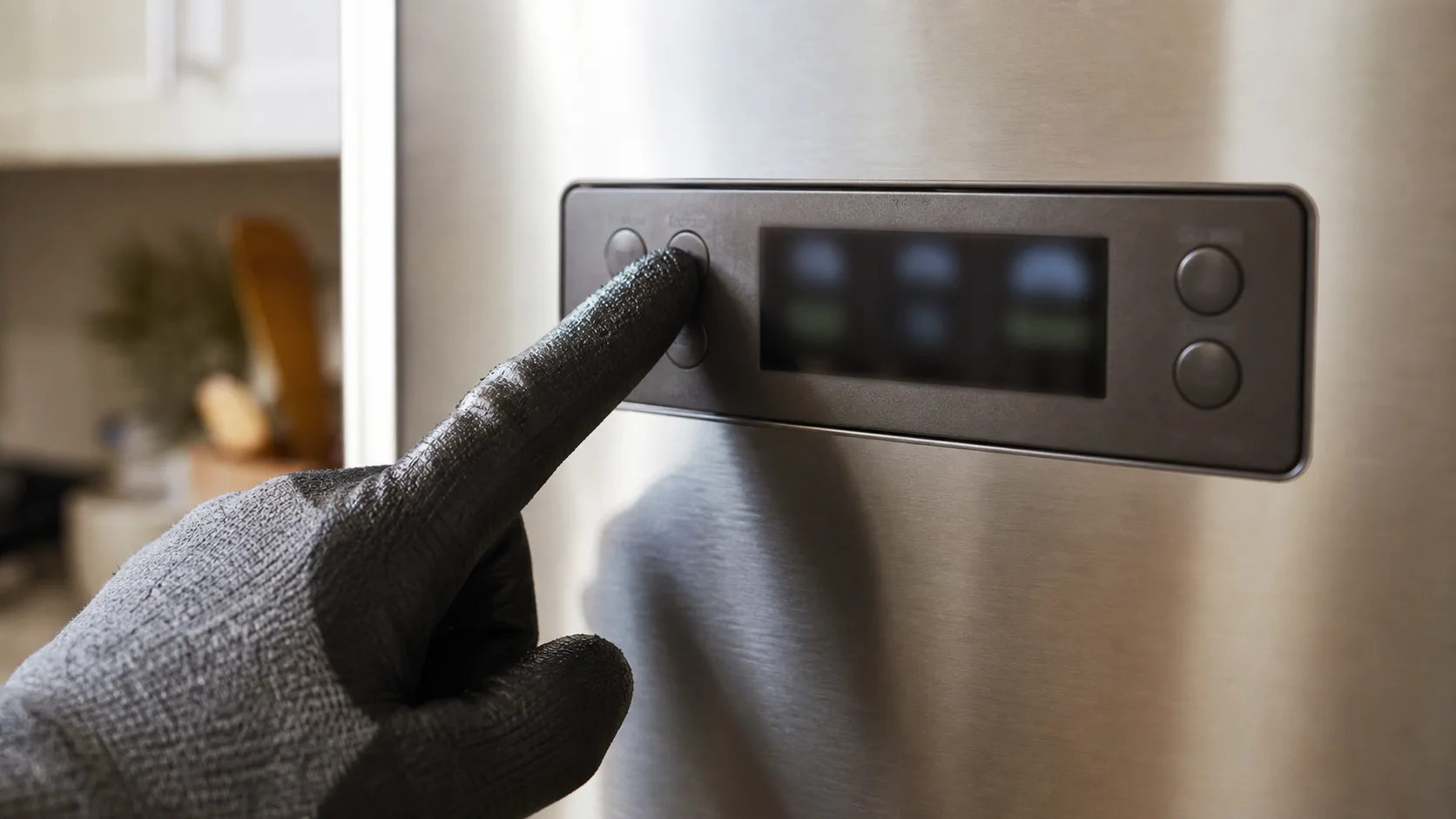
Confirm the temperature settings first. If the section above helped you identify which company actually built your unit, keep that in mind for the rest of this page, the equivalent Whirlpool, LG, GE, or Frigidaire troubleshooting guide on this site may describe a check specific to your machine that the generic steps below won't call out by name.
Check for blocked vents between compartments
Check both the fridge and freezer vents for anything blocking them, a container pushed too far back is the most common culprit. Since many refrigerator designs, regardless of who built them, route cold air between compartments through a shared vent system, even one partially covered opening can leave both sections running warmer than expected.
Clean the condenser coils
Pull the unit out and locate the condenser coils, usually along the back or underneath. Built-up dust and pet hair act as insulation, forcing the compressor to run longer for the same cooling result. A coil brush or a vacuum's narrow attachment clears it in a few minutes. Because Kenmore models vary by original manufacturer, the equivalent brand page linked above (once you've identified it) or your model's own care documentation is a better source for the exact interval and coil location than a generic six-month rule of thumb.
Check the door seals
Feel along the full length of the door gasket for cracks, gaps, or a section pulled loose from the frame. A simple check: close the door on a dollar bill and pull it out slowly. If it comes free with no resistance, the seal isn't holding, and warm room air is working its way in continuously.
If everything above checks out
No improvement after settings, vents, coils, and seals points toward the compressor, the refrigerant charge, or a manufacturer-specific fault like Frigidaire's air damper or GE's evaporator frost buildup, both of which are covered in detail on this site's Frigidaire and GE pages. This is where identifying the actual manufacturer, from the section above, earns its keep, and where a technician's diagnosis becomes the more reliable next step regardless of which brand built the unit.
Is it the fridge, the freezer, or both?
If only one compartment is running warm, a blocked vent or a manufacturer-specific fault affecting just that section is the more likely cause. Both compartments running warm points more toward the compressor or the coils, which is less dependent on which company built the unit and more of a universal appliance-repair signal.